
Sweden’s Highlights: Castle, Canal and City Wall
From the ring wall in Visby to the Göta Canal: these structures show why Sweden’s sights are so closely tied to history, culture and identity.
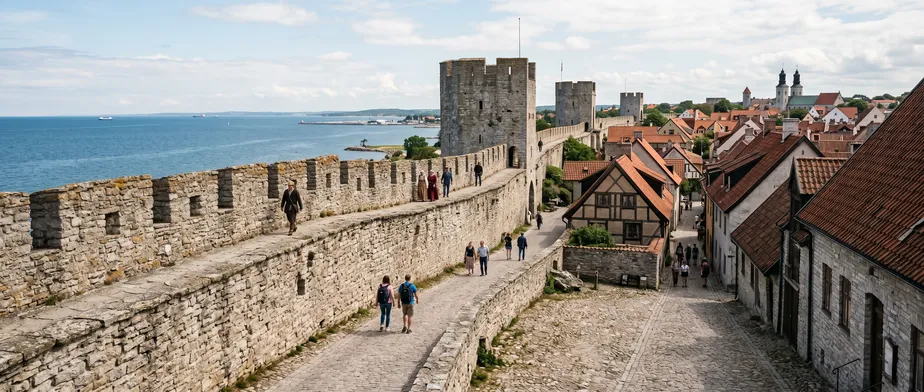
Sweden has no ancient pyramids and no Colosseum. Yet there are buildings in the country that hold a similarly high value for many people. They tell stories of power, trade, engineering and everyday life in past centuries. That is exactly where their special appeal lies. These places are not only worth seeing, they are also closely linked to the country’s history.
A survey by the opinion and social research company Kantar Sifo shows which buildings are particularly important to people in Sweden. At the top of the list is the medieval ring wall in Visby on Gotland. Almost a third of those surveyed consider it Sweden’s most important structure. This is remarkable, as the selection also includes splendid castles and major infrastructure projects.
The Visby ring wall as a symbol of Swedish history
The ring wall of Visby is around 900 years old and still shapes the appearance of the Hanseatic town today. It stands for protection, prosperity and Gotland’s long trading history. Standing in front of it, you quickly sense why it is far more than just an old wall for many people. It makes the past visible and remains strikingly present to this day.
In contrast with modern architecture, it becomes especially clear why historic buildings have such a strong impact. They create identity, make history tangible and give places a character that goes far beyond nice holiday photos.
Why castles and canals are just as important
When people talk about Sweden’s major structures, many first think of royal palaces, mighty churches or the Göta Canal. Each of these places represents a different part of Swedish history. Castles tell of rule, representation and culture. City walls point to protection and self-assertion. Canals, in turn, stand for inventiveness, hard work and the desire to connect regions.
This variety is what makes the topic so fascinating. Sweden’s "wonders of the world" are not imitations of famous monuments in other countries. Their value lies in their own history. They show how diverse the country has been built, imagined and lived in over time.
What makes these structures so exciting for travellers
For visitors, such places are far more than classic tourist sights. They help people understand Sweden better. Anyone who visits a city wall, a castle or a historic canal experiences not just architecture but also landscapes, regional identity and local stories.
- Historic structures offer insights into Sweden’s development over many centuries.
- They connect culture with memorable travel experiences.
- Many of these places are set in particularly scenic surroundings.
- They work well for day trips as well as for longer round trips.
These buildings are especially rewarding for travellers who want to discover culture as well as nature. They add a historical dimension to the typical image of Sweden with its forests, lakes and red wooden houses.
Sweden’s important buildings tell the story of the country itself
Whether ring wall, castle or canal, important structures always reflect the society that created them. In Sweden it seems that size is not the only thing that matters. Meaning counts just as much. The choice of the Visby wall shows that many people value places that preserve history and shape identity.
Perhaps this is Sweden’s own answer to the seven wonders of the world. Not in a race for the largest monument, but in buildings that still move people today because they connect past, landscape and present in a special way.
More articles

Hiking in Småland: Discover Sweden’s Green Soul
If you really want to understand Sweden, at some point you have to leave the paved roads behind and simply start walking.
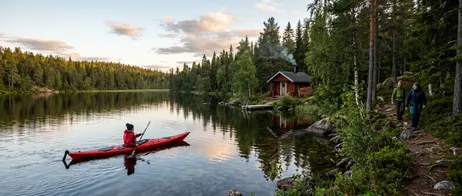
Experience Sweden: Enjoy Adventure and Relaxation
Sweden combines nature, lakes and a relaxed way of life and shows how adventure, calm and conscious relaxation can blend perfectly in one holiday.
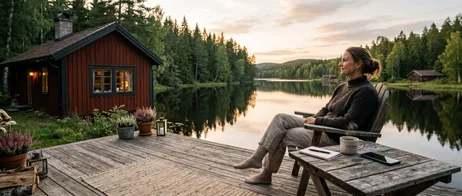
Pure Relaxation: Dream Holidays in Sweden
Sweden stands for calm, nature and slowing down. Between forests, lakes and archipelagos, anyone who wants to switch off will find ideal conditions for a genuine break.
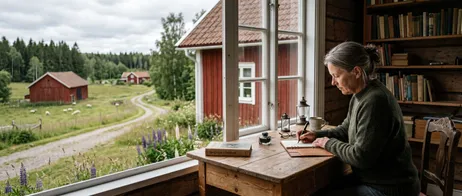
Vilhelm Moberg: the writer from Småland
Vilhelm Moberg is one of the defining literary voices from Småland. His emigrant novels show why he remains an important figure in Swedish literature and culture today.
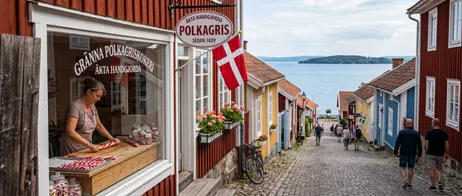
Amalia Eriksson and the Story of Polkagris
Who was Amalia Eriksson? This article tells how the inventor of Polkagris shaped Gränna and why the town is still famous for its red and white candy canes.

Ingvar Kamprad: The IKEA Founder from Småland
Who was Ingvar Kamprad? This article profiles the IKEA founder from Småland, explains where the name IKEA comes from and shows how strong local roots grew into a global brand.
